
Case Study · Exit Q1 2025
How we built an unfair advantage at Othership
We turned a loss-making consumer community into the lowest-cost enterprise acquisition channel in the category, then sold the company to a NASDAQ-listed acquirer.


Meet the client
Othership, formerly WeCoffee
A consumer workspace marketplace that became an enterprise SaaS business: desk booking, visitor management and meeting room booking, sold to HR, Operations and Owner buyers in mid-market and enterprise firms.
🌐 othership.com ↗At a glance
The shape of the story
- Client
- Othership (formerly WeCoffee)
- Starting point
- B2C workspace marketplace, thousands of members, hundreds of venues, £15/month ARPU
- Where it ended
- Added an Enterprise SaaS for desk booking, visitor management, meeting room booking
- Channels tested
- PPC, pay-per-lead, partners, SEO, paid social, referrals, events, comparison sites
- Channel that won
- Comparison sites, ranked #1 by review volume
- Inbound pipeline
- ~£100k per week
- CAC vs. competition
- Estimated ~10x lower
- Exit
- Q1 2025, to a NASDAQ-listed technology company
The starting point
Real scale, real affection, and no way to carry the company
Othership began as a consumer marketplace. Individuals paid £15 a month to book hot desks and day passes in hotels, bars, cafés and boutique workspaces across London. Tens of thousands of orders, thousands of members, hundreds of venues, and midweek daytime capacity that would otherwise have sat empty.
What it couldn't do was carry the company on its own. At £15 a month the ceiling on any account was £180 a year, while paid acquisition ran at £10,000 to £17,000 in single months during the 2021 growth push. Across the period we tracked, the business posted a positive operating margin in exactly one month.
That's not a conversion problem. That's a who we sell to problem.
Adding the enterprise layer
We had been renting enterprise machinery to individuals
Underneath the consumer app sat the expensive part: a booking engine, a space inventory system, an availability and capacity model, payments infrastructure, and three years of behavioural data on how people actually use flexible workspace.
Employers pay considerably more for that same machinery, because for them it answers a budgeted question: who is coming in, when, where do they sit, who is visiting, and how much office are we actually paying for? So we built the enterprise layer on top of what we already had, and kept the consumer marketplace running underneath. That decision mattered far more than we expected.
Then came the harder question. Nobody in the business had ever sold enterprise software, and we had no idea which acquisition channel would work.
The method
Testing inbound to support our outbound
Eight inbound channels, each with a defined budget, a defined test period, and the same three success measures: cost per qualified opportunity, pipeline value generated, and time to first meeting. Everything ran through Lemlist for outbound, HubSpot as the single source of truth and Google Analytics for attribution. If it couldn't be traced to a HubSpot deal record, it didn't count.
PPC
Whether we could buy intent on category keywords at a viable cost per opportunity
Pay-per-lead
Whether bought leads converted at anything close to the rate the vendors claimed
Partners
Whether workplace consultants, IT resellers and landlords would carry us into accounts
SEO
Whether we could rank organically for category terms within a useful time horizon
Paid social
Whether HR and Ops buyers could be reached at scale on a non-intent channel
Referrals
Whether existing customers would introduce peers, and how reliably
Events
Whether conference and panel presence produced pipeline or only brand
Comparison sites
WinnerWhether review-driven listings could out-rank better-funded competitors
The discipline that mattered was killing losers early. A channel that couldn't show a path to acceptable cost per opportunity inside its test window was stopped, not nursed. That's uncomfortable when a channel is somebody's idea, which is precisely why the success measures were agreed before the tests started.
The hypothesis that paid off
The community everyone called a cost centre was the distribution asset
Every large software category has comparison and review platforms buyers use to build a shortlist. Ranking is driven overwhelmingly by volume and recency of verified reviews. Well-funded competitors were buying their way up the paid placements, but nobody was beating them on review count, because hundreds of genuine reviews take years of customer relationships to accumulate.
We had already built them. Our consumer members weren't a generic consumer audience: they were employees at exactly the companies we now wanted to sell to, using the product weekly and able to review it as authenticated business users.
We ran a structured campaign to convert that goodwill into verified reviews, took the number one ranking by review volume in the category, and then concentrated almost the entire acquisition budget behind it.
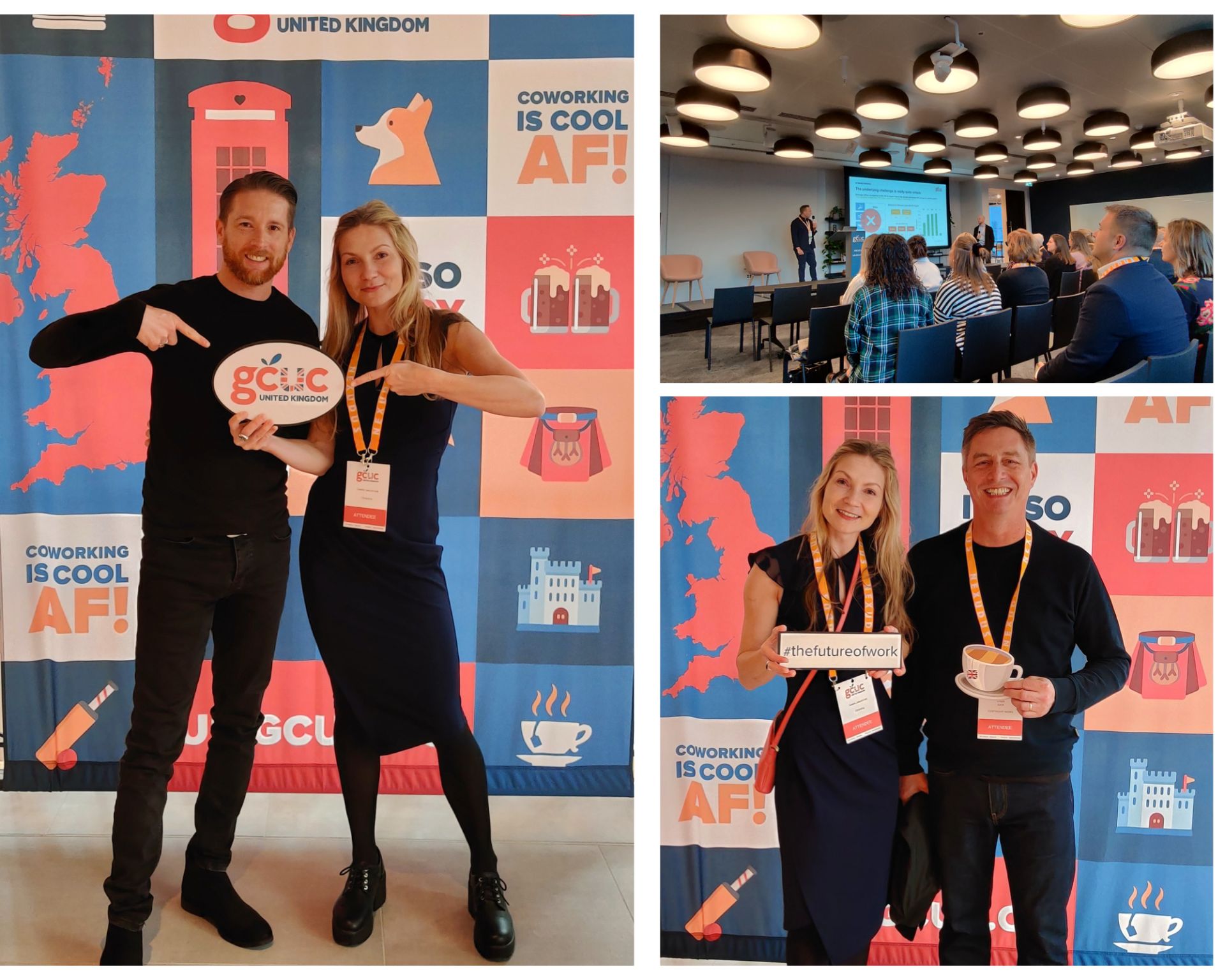
The result
Quota delivered every year, through the transition and beyond
Comparison sites became the dominant source of new business, generating roughly £100,000 of inbound pipeline per week. Because the ranking was earned through reviews rather than bought through placement, the marginal cost of each new opportunity was a fraction of what competitors paid to appear alongside us. Our internal modelling put customer acquisition cost at roughly one tenth of the competition's: an estimate rather than an audited figure, but consistent enough across quarters that we bet the strategy on it.
It also inverted the sales motion. Inbound buyers arrived with a shortlist, a requirement and often a budget, so selling time moved from generating interest to qualifying and closing. Our tailored MEDDPICC process did that work, with particular weight on identifying the economic buyer early, since in mid-market firms the person feeling the pain was rarely the person who could sign.
Othership exited to a NASDAQ-listed technology company in Q1 2025.
What this means for your business
Three transferable lessons, in order of how often we see them ignored.
Test channels as a portfolio, with pre-agreed kill criteria
Most companies pick a channel because a founder likes it or a competitor uses it, then spend eighteen months defending the choice. Run eight tests with defined budgets and defined success measures, and let the data pick.
Ask what unfair advantage you already own
Ours was four years of community goodwill in a business that had never turned a profit on its own. The winning channel wasn't a channel we found, it was an asset we already had. Almost every company has one and can't see it, because it's currently filed under "cost centre".
When a channel wins decisively, concentrate
Once comparison sites proved out, we didn't keep a polite budget on the other seven. Diversification is risk management for channels you don't understand yet. Once you know which one works, spreading spend is just a slower version of the same result.
That's the work SaaSmyCow does: find the channel that actually works for your business, prove it with data, and build the commercial engine that scales behind it.
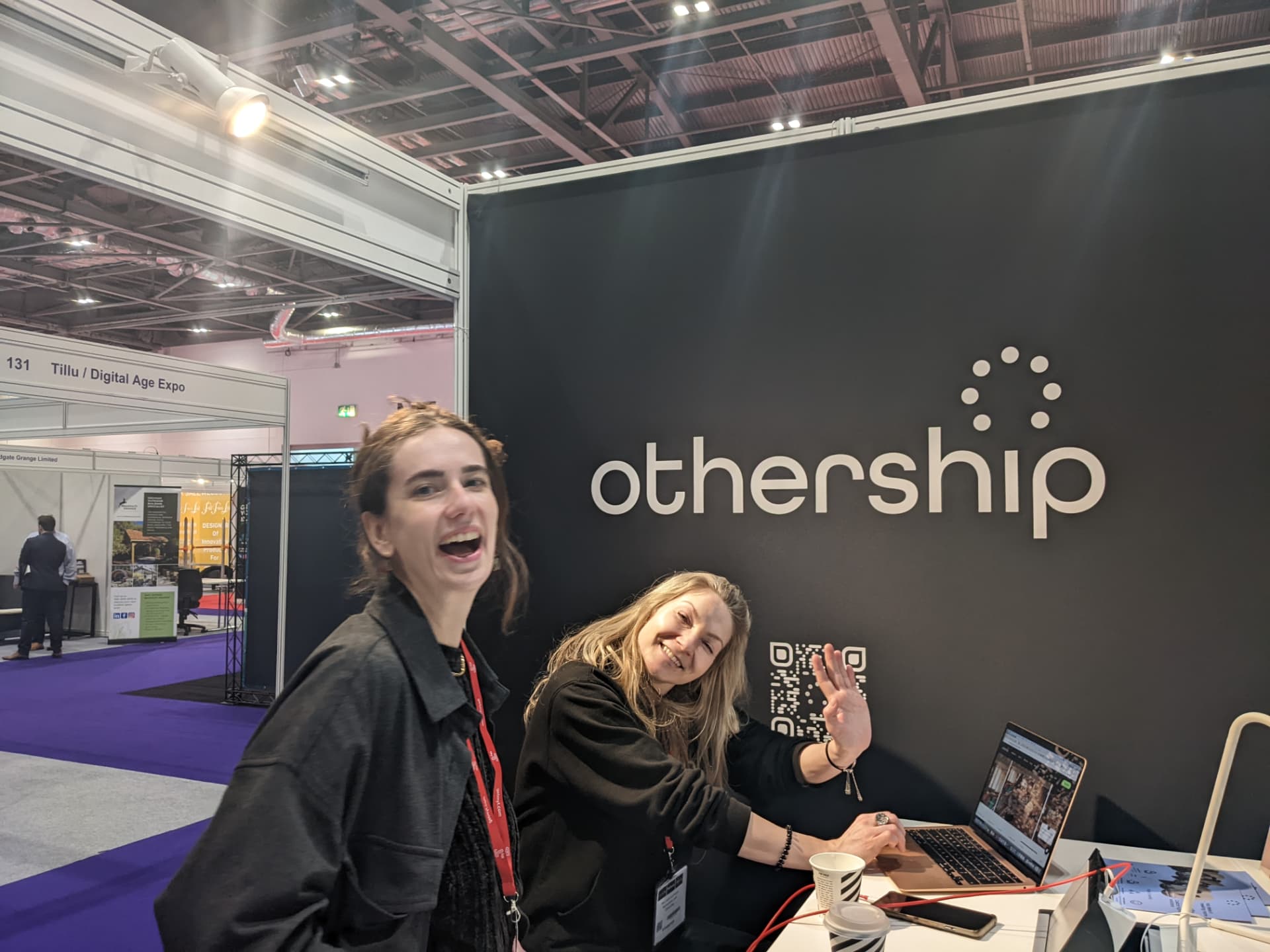
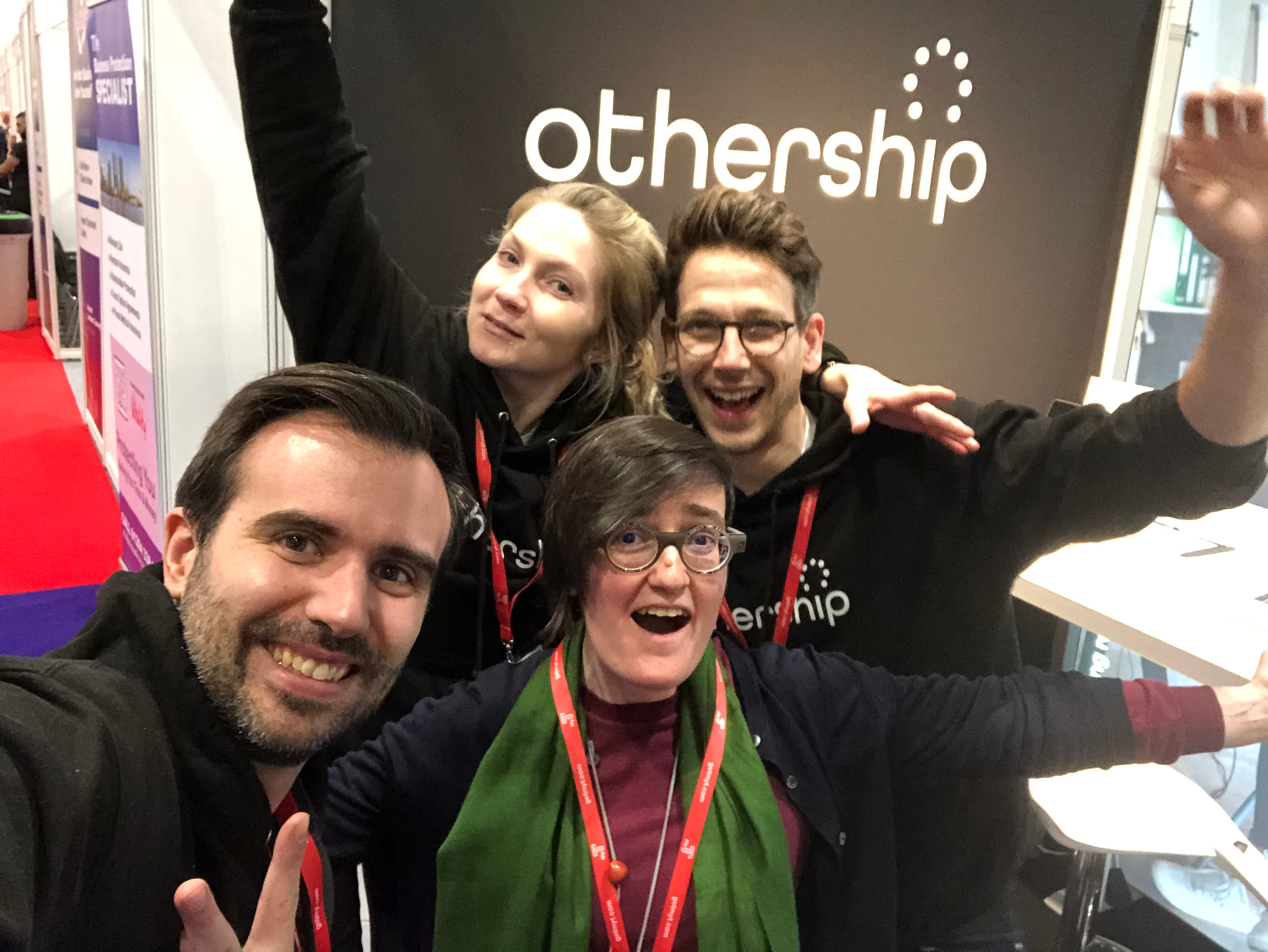
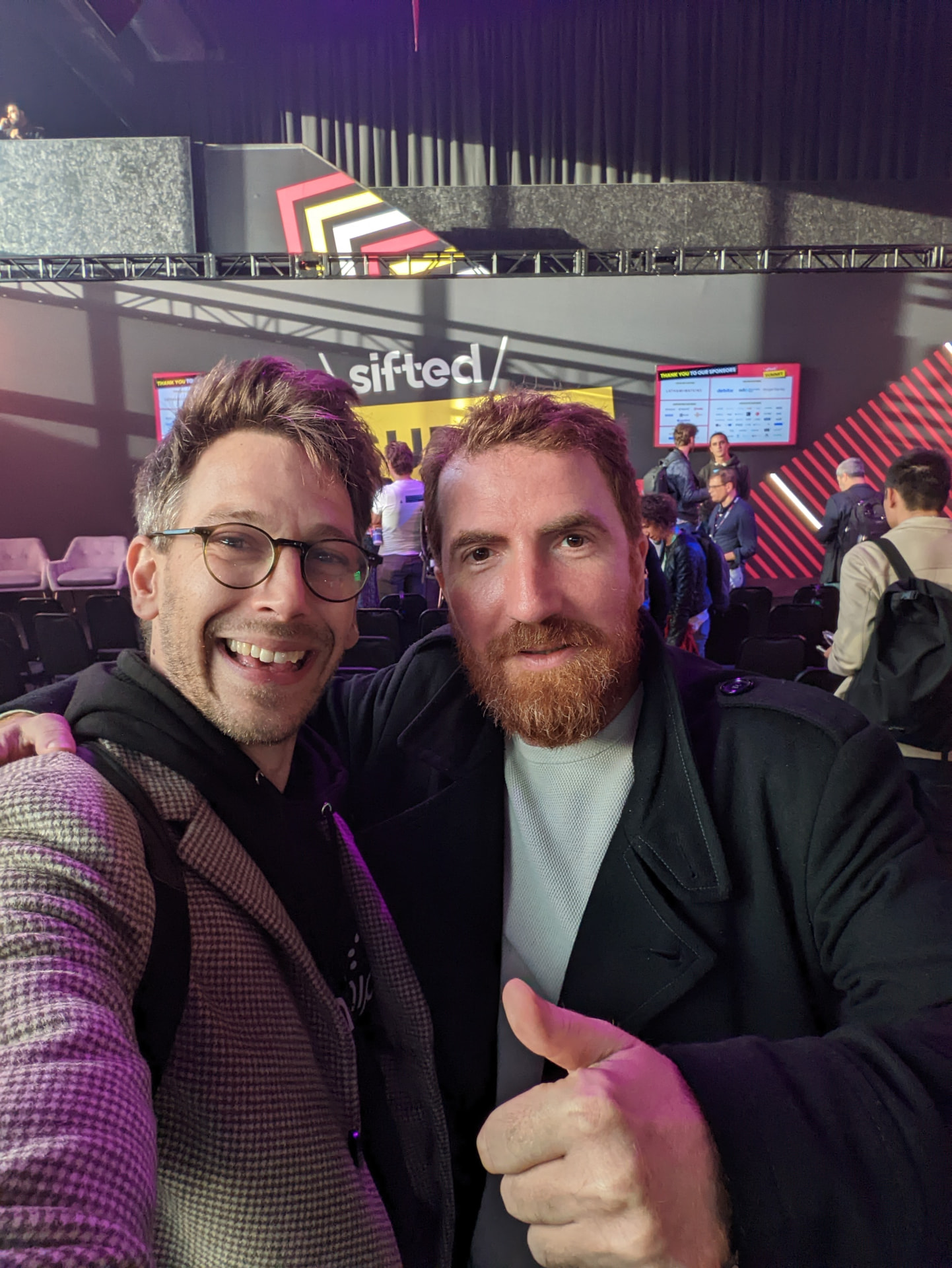
On the road with the herd
Moments from the journey





Want a pipeline like Arnaud's?
Free 30-minute call. We'll diagnose where you are and tell you the quickest lever to pull. No hoof-wash.
Book my milking session 🥛 →